Fermenting Hard Apple CiderIn the United States, hard cider refers to fermented alcoholic cider, and sweet cider refers to fresh, non-alcoholic cider. In Europe and the United Kingdom, any reference to cider refers to fermented cider, while fresh, sweet cider is called apple juice (if you live/have lived in Europe/UK, please correct me if I am wrong). In the United States, apple juice is cooked and filtered to be clear, while sweet cider is usually unfiltered and not cooked, though in most states it must be pasteurized for food safety reasons if sold commercially. Pasteurization does not significantly change the taste of fresh cider, but makes it safer to drink, particularly for the very young, very old, or immunocompromised individuals. Fresh sweet cider can be made with many different types of apples, many of them sweet and/or acidic. Hard cider is best made from a blend of sweet, acidic, and tannic apples, but to be honest, you should make it with whatever apples or juice you can get your hands on. If you are interested in learning more about what types of apples are good for cider, please visit my blog post on “Apple Varieties for Northern Climates,” which includes charts on cider-specific apple varieties, crab apple varieties, many of which are also good for cider, and apples for fresh eating and cooking, which also includes many varieties used in cider, particularly sweet cider. The first step in making hard cider is to make fresh cider (or buy it), which you can then ferment using either naturally occurring wild yeast or purchased commercial yeast. Please see my previous blog post, “How to Make Sweet Apple Cider,” for information on grinding and pressing apples to make fresh cider. This blog post will start at the fermentation step of the process. If you want more information on fermenting in general, please see my blog post on “The Basics of Fermenting Wine”. Although this post is on wine, most of the topics are relevant for cider as well. Many people prefer to use wild yeast, allowing whatever natural yeasts to colonize the cider and ferment the sugars. I prefer to choose my specific type of yeast, as different varieties can impart different flavors and have different pH, temperature, and alcohol tolerances. I also prefer dry cider (little to no residual sugar), so I want a yeast with high alcohol tolerance to ensure the sugar is completely fermented. If you allow wild yeasts to ferment your cider, you do not need to add yeast, but you may want to add pectic enzyme to help reduce haziness and yeast nutrients to boost fermentation. You can also add tannins if you are using mostly sweet apples. If you use commercially available yeast, you may want to treat the fresh cider with potassium metabisulfite to reduce the chances that wild yeast and bacteria contaminate the ferment. Potassium metabisulfite also reduces oxidation, which helps protect the color and flavor/aroma and reduces the chance of spoilage. Once potassium metabisulfite is added, you must wait at least 24 hours before pitching the commercially purchased yeast. I started fermenting hard cider only a few years ago, but I have tried several different types of yeast in an attempt to find one that we liked the best. I have been limited in the past by the number of apples I was harvesting, but now enough of our trees have matured to the point where we have extra to make small batches of both sweet and hard cider. Yeast SelectionAs mentioned above, many home-brewed ciders are fermented with natural, wild yeasts. As a trained microbiologist, I much prefer to pitch a commercial yeast rather than depend on a wild yeast, which by its nature has more unknowns. Thus far, I have tried several different types of yeast. In 2023, I only had enough cider for a single one-gallon batch, and I used Fermentis SafAle S-04 dry ale yeast, which ferments ideally between 59-68°F and has an alcohol tolerance of 9-11%. This yeast made a drinkable cider, but I could detect a chemical aftertaste. By 2024, I had read that many people prefer to use wine yeast, specifically Champagne-type yeast, so I compared the SafAle S-04 to the very common Champagne wine yeast, Lalvin EC-1118. Unfortunately, the SafAle cider ended up extremely sulfurous during the fermentation. This was likely my fault because I had accidentally added too much yeast nutrients to that batch. However, with enough racking and time, most of the sulfur odor went away. Both ciders turned out well, but I wasn’t completely sold on either. The EC-1118 yeast is a vigorous fermenter, and I felt the cider had less flavor than the SafAle, likely from so much off-gassing of volatile compounds that give the fruity smell and flavor to cider. This year (2025), I tried another wine yeast, Red Star Premier Côte des Blanc, because a brewing supply company did a taste test of ciders brewed with different yeasts and found that Côte des Blanc, which is also their best-selling yeast for cider, was overwhelmingly a favorite. My Côte des Blanc cider is currently clarifying in a carboy, but I hope to bottle it in the next month or two and will provide an update once it is properly carbonated and aged. Testing Your Cider Before FermentationIf you wish to know the sugar level of your cider, you will need either a hydrometer with a test jar or a graduated cylinder. A hydrometer is used to measure the specific gravity before and after fermentation. Specific gravity, also known as relative density, is a measure of how dense a solution is compared to distilled water. For example, the more sugar a solution has, the denser it is compared to water and the higher its specific gravity. The specific gravity of pure water is 1.0. Any solution higher than 1.0 is denser, and any solution less than 1.0 is less dense. Alcohol is less dense than water; therefore, as sugar is fermented into alcohol, the specific gravity of a solution decreases. The specific gravity readings can then be used to determine alcohol concentrations and whether the fermentation has been completed. To test specific gravity, you float the hydrometer in a sample of your juice (pre-fermentation) or hard cider (post-fermentation) and take a reading. More information on how to calculate the alcohol content is given below. You can also use a refractometer instead of a hydrometer to determine the original sugar concentration. We bought a digital refractometer (cheaper manual ones are also available) to measure the Brix (percent sugar) in our wine grapes, so we know when to harvest them. This can be used on fruit juices as well, but it does not give accurate readings once fermentation has begun, since alcohol affects accuracy. The advantage of a refractometer is that you can test much smaller juice samples than you can with a hydrometer. You may also want to adjust sugar or acid levels before fermenting. The sugar levels of my fresh apple ciders are generally between 8-13 Brix, which should give a final alcohol content between 4-7%, respectively, so I do not usually add extra sugar. If you wish to increase the alcohol content of your hard cider, a general rule is to add 1.5 oz of sugar to raise 1 gallon of juice by 1 Brix. Add less sugar than you think, mix well, and then test your specific gravity/Brix again. To measure the sugar level with a hydrometer, put the juice in your graduated cylinder, place the hydrometer in the juice, and read the specific gravity (read the number at the bottom of the meniscus). Most cider should be between 1.030-1.070 for the original gravity (OG) and 1.002 or lower at the end for the final gravity (FG) if it has fermented to completion (a dry cider with no residual sugar). To calculate the alcohol by volume using specific gravities, use the formula ABV = (OG-FG) x 131.25, or use an online calculator. If you prefer sweeter cider, you either have to stop the fermentation before it reaches a 1.002 specific gravity using potassium sorbate or allow it to ferment to dryness and then back-sweeten (covered below). When using a refractometer, the original Brix reading multiplied by 0.55 gives an estimated ABV, assuming the fermentation has completed to dryness. You may also want to test the pH and titratable acidity (TA) of your cider. My ciders are generally between pH 3.1-3.3, which is acidic, and I do not usually change the pH. If you end up with a higher pH (lower acidity), above about 3.5-3.8, you may want to add extra acid. Usually, malic acid is added as malic acid is the primary acid in apples (as opposed to grapes, which have mostly tartaric acid). Too high a pH may occur due to overly ripe apples, as most fruit ripens, the acidity tends to decrease. Keeping the pH lower also helps reduce the chance of spoilage. If you wish to test the TA of your cider, which is different from pH (pH is the strength of the acid in a solution, while TA is the amount of acid present), you can use a TA test kit. I like the ones from Accuvin, which are easy to use, and they make a special TA test kit just for hard ciders, which measures TA as malic acid instead of tartaric acid, as the TA kits for grapes do. The Accuvin test can give a result from 5.4-9.8 g/L malic acid. According to their website, the amount of malic acid desired depends on the style of cider. For example, a European-type cider that is more tannic should be roughly 4.5-6.0 g/L (they also offer a cider/apple/pear TA kit with a range of 3.6-8.0 g/L). A dry style cider should be approximately 6.0-7.6 g/L, and a sweeter cider should be even higher. Once you have calculated the percentage of sugar, pH, and TA and made any necessary changes, you are ready to begin fermentation. Remember, if you added potassium metabisulfite, you must wait at least 24 hours before pitching your yeast. A Basic Hard Cider Recipe
FermentationIf you do not have GoFerm, you can add Fermaid K or Fermaid O yeast nutrient or another generic yeast nutrient instead. Lately, I have been rehydrating my yeast in GoFerm before I pitch it into my juice, but I have had a lot of success in the past just pitching the dry yeast onto the top of the juice. I have also started adding additional yeast nutrients a few days into the fermentation process to give the yeast a boost once a lot of the original nutrients have been used up. I ferment in a plastic, food-safe fermentation bucket with an air lock. I fill the air lock with potassium metabisulfite; others like to use vodka. Make sure to leave a few inches of headspace in the fermentation bucket to keep the cider from bubbling into the airlock. I usually stir the cider once every day while it is vigorously fermenting, to help it off-gas and mix in the yeast, but once fermentation slows, I generally stop stirring (unless you get sulfur compounds, in which case you want to vigorously stir it to off-gas the sulfur). After about 1-2 weeks, I transfer the cider to a glass carboy with an air lock. You can keep a little headspace as long as it is still fermenting. If fermentation appears to have completely stopped, you want to eliminate as much headspace as possible. You can top off with an older batch of bottled cider, a commercially available cider, or use fresh cider or apple juice. Clarifying and BottlingI rack the cider when a significant amount of yeast and debris settles to the bottom of the carboy. If your cider is slow to clarify, you can place it in a cold area like a refrigerator or outdoors (not so cold that it will freeze), which will speed up clarification. Once it is as clear as you want it, you can bottle your cider. I usually bottle 2-3 months after fermentation, but some prefer to age longer, up to one year. I rack the cider into a fermentation bucket and mix in approximately 2/3 cup of table sugar to a 5-gallon batch of cider, and then bottle it. This additional sugar will allow fermentation to occur in the bottle, which will carbonate it. You can find beer priming calculators online if you have an odd-sized batch of cider, which will determine the amount of sugar to add. You can also buy priming sugar drops at brew supply stores, which you add individually to each bottle before bottling. If you decide to back-sweeten your cider, please see below; otherwise, you can skip straight to bottling. You can also choose to oak your cider using cubes, chips, or spirals. I have never tried oaking my cider, but I am currently waiting for an apple wine to clarify and plan to add oak cubes for 3 months when I rack it next for bulk aging. In order to bottle, you will need caps and a bottle capper, or you can use the Grolsch-style bottles, which have replaceable gaskets. I much prefer to bottle with the Grolsch-style bottles as they are easier to close than using a handheld bottle capper. There are floor-style bottle cappers, which may be easier to use than the handheld type, but I have never personally used one. Back-SweeteningIf you wish to back-sweeten your cider, this can get more complicated. You can sweeten your cider to taste and then stabilize the cider with potassium sorbate, which will prevent further fermentation of the additional sugar you added. You do need to stabilize, or you risk your bottles blowing up when fermentation occurs in the bottle. The downside of this strategy is that you cannot carbonate in the bottle because the addition of sorbate will also prevent the subsequent fermentation needed to carbonate. If you really want sweet cider and also want it carbonated, you will need to carbonate with a keg system. If you do not want to invest in a keg system, then you can back-sweeten with artificial sugars that are not fermentable. This way, you can sweeten your cider and still carbonate it in the bottle with the addition of sugar. The downside of this strategy is that artificial sweeteners can give a chemical taste to your cider, and some people are opposed to artificial sweeteners because of potential health effects. ConclusionsI am looking forward to experimenting more with cider, including using tannic cider apples and not just table apples in my cider. Currently, I am waiting for my cider apple trees to mature and start producing fruit. I also would like to experiment with perry (pear cider) and adding other fruit to my apple cider (maybe strawberries, raspberries, blackberries, or peaches?). If you are looking for more resources on how to make cider and other ferments, please see my blog post on the “Top Books on Alcohol Fermentation”. If you have made a hard cider that you love, I would love to hear the recipe. References and Resources
0 Comments
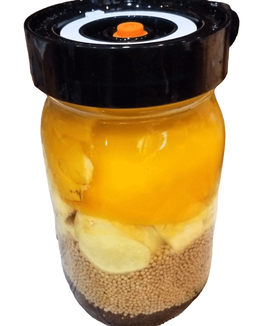
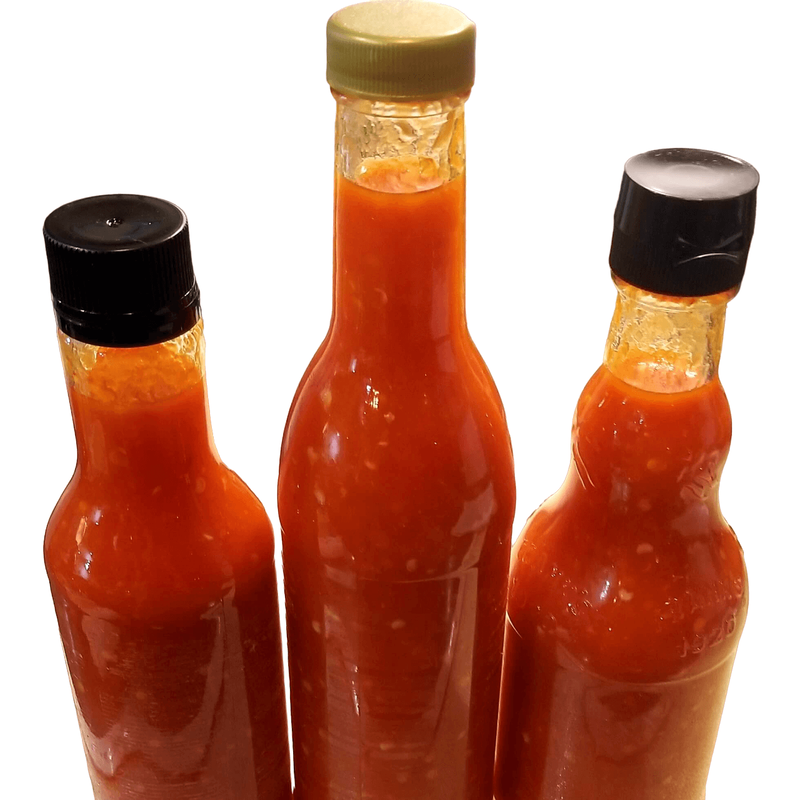
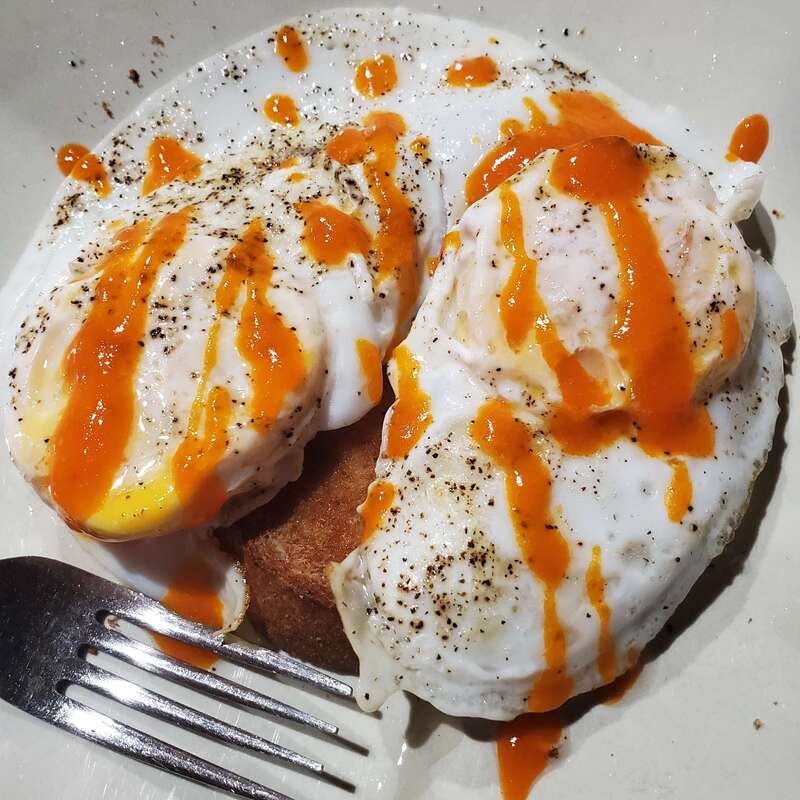
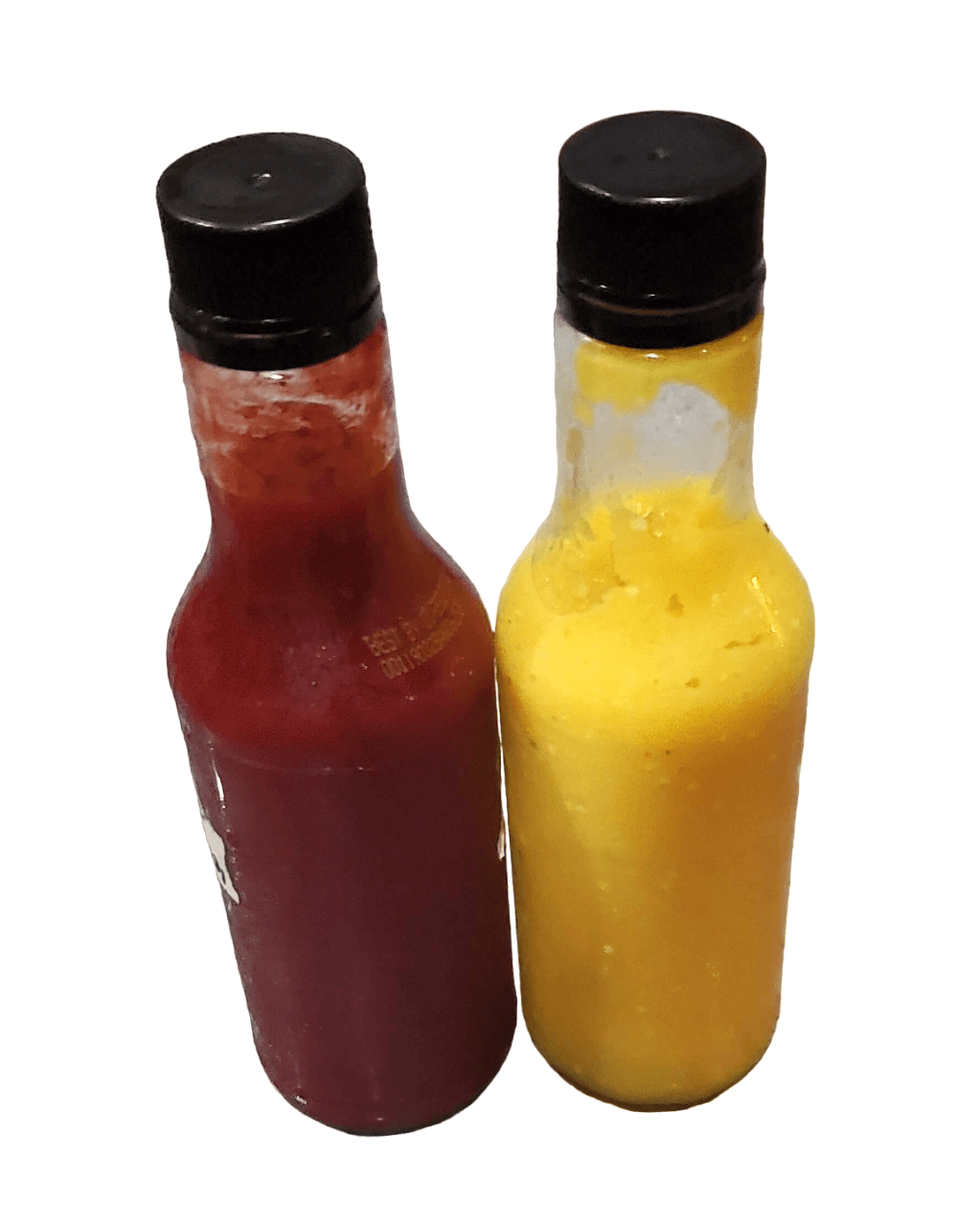
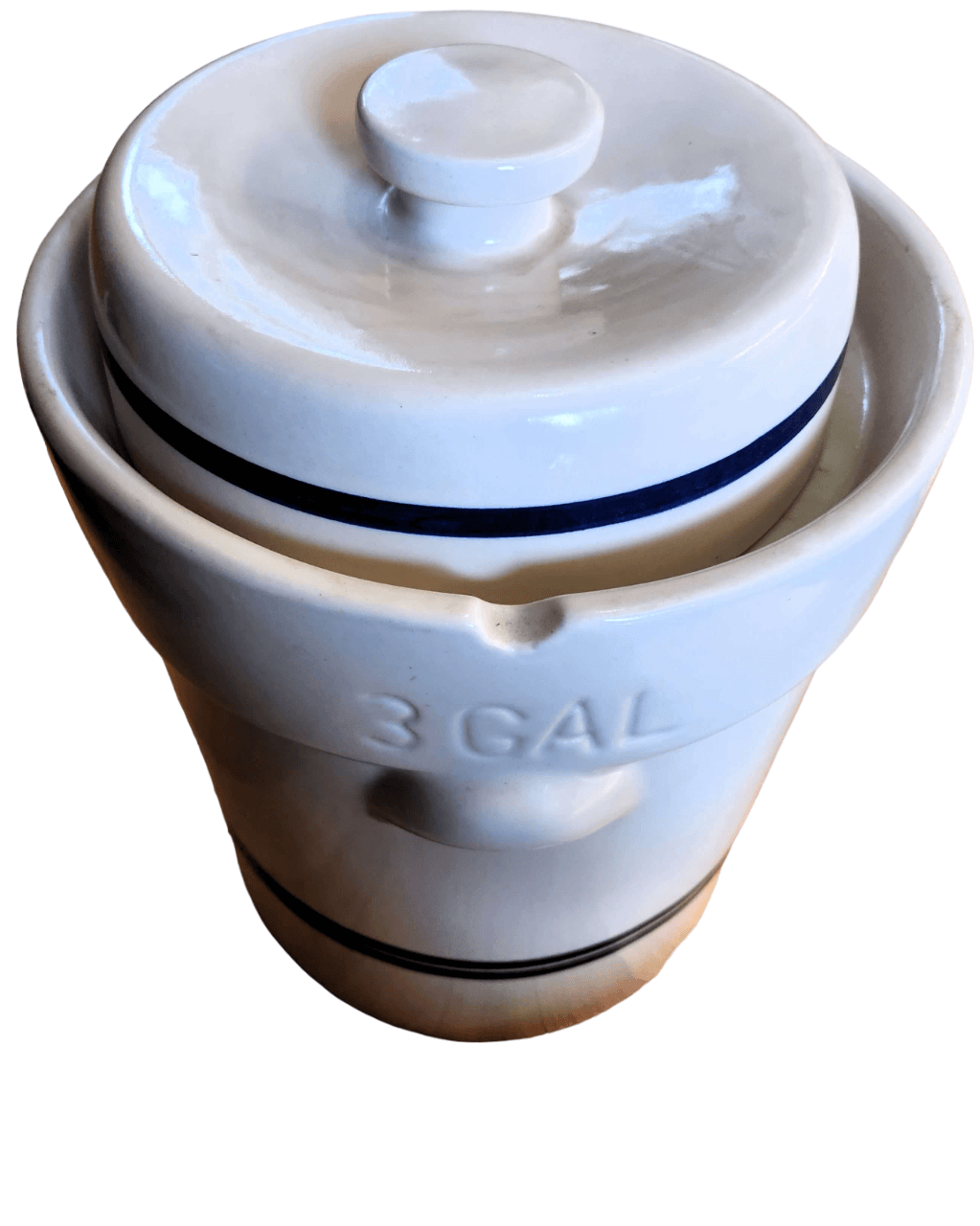
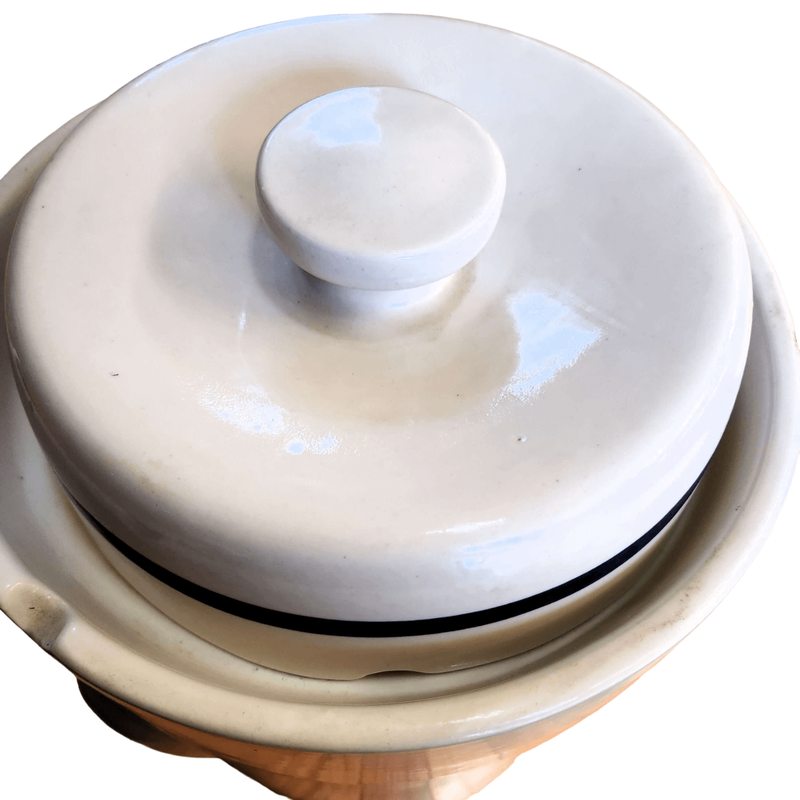
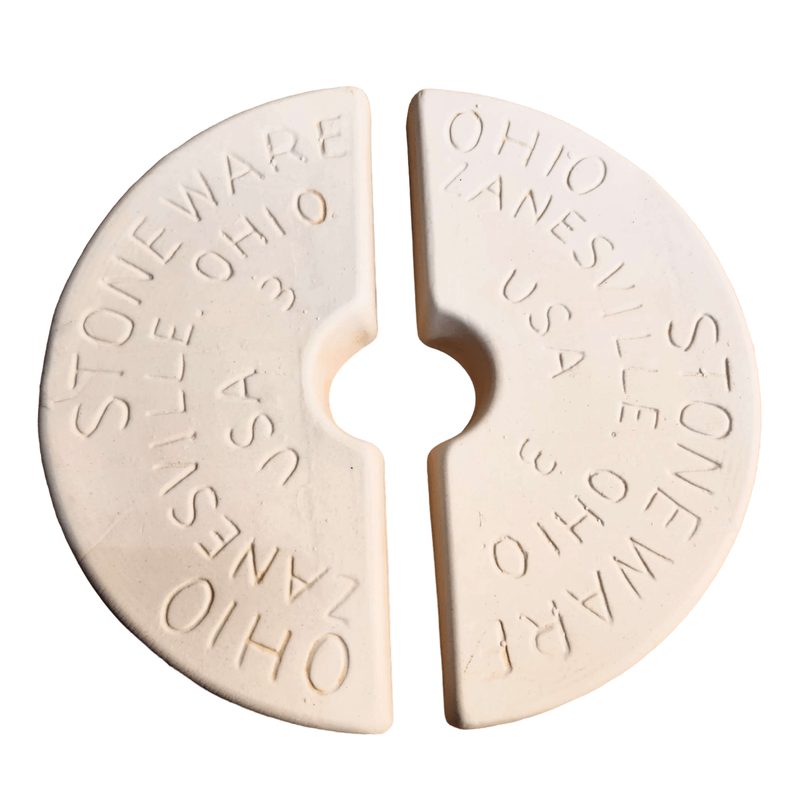
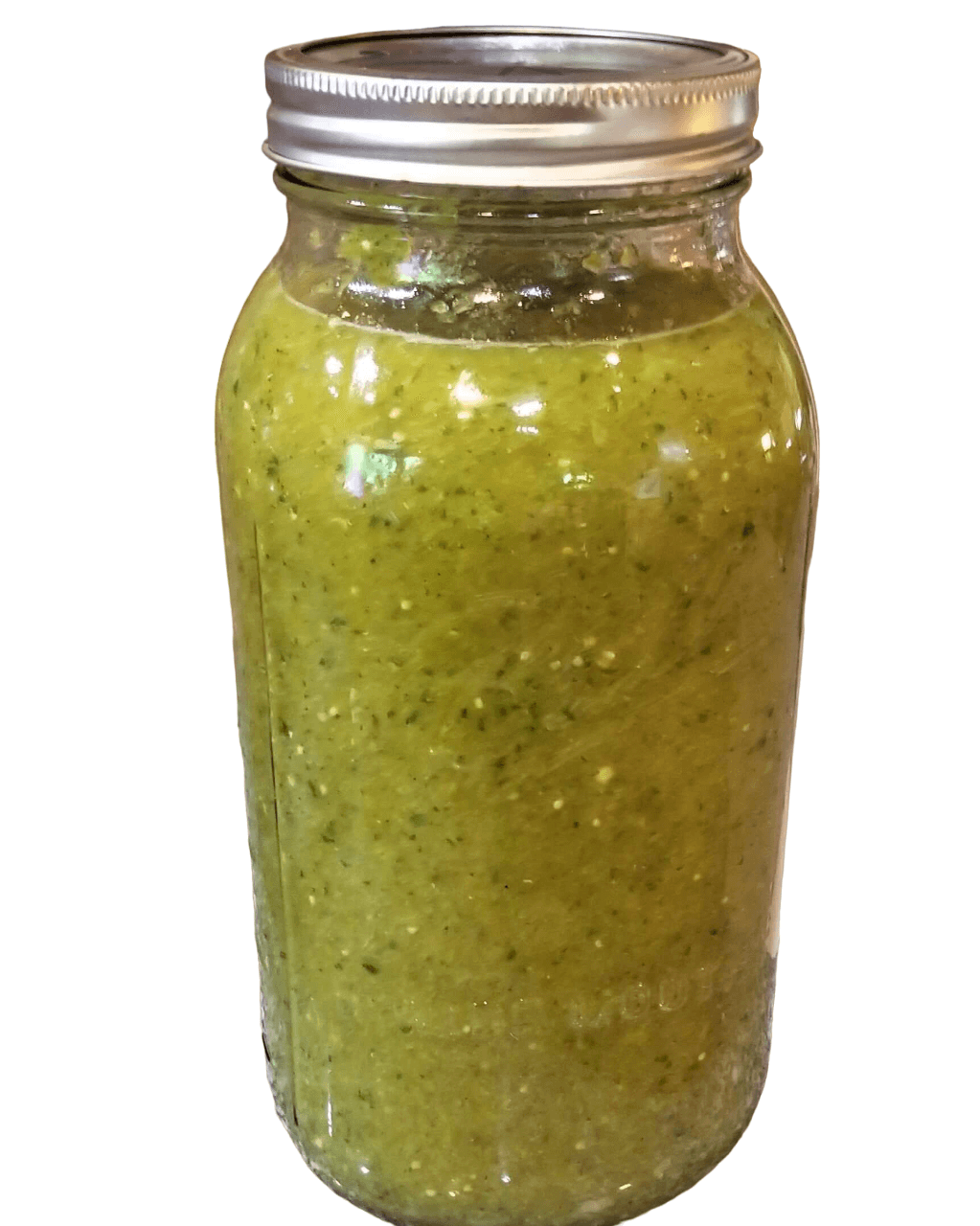
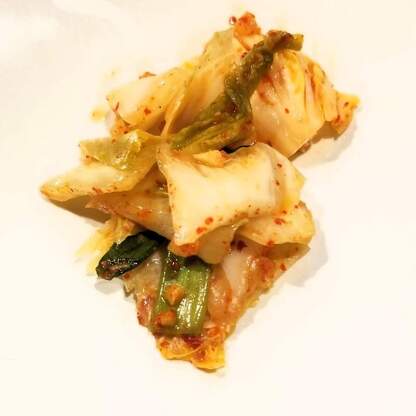
Top Books on Alcohol Fermentation: Wine and Cider1. From Vines to Wines: The Complete Guide to Growing Grapes & Making Your Own Wine by Jeff Cox In addition to covering information on making wine, this book also covers grape growing. Although this is a great beginner's guide to growing grapes and making wine at home, it mostly focuses on the Vitis vinifera varieties, the classic wine varieties that grow in warmer zones (generally 6-9). It does not cover the particular challenges that northern grape growers have (like me in zone 4) when growing Vitis labrusca or hybrid varieties for wine. 2. Techniques in Home Winemaking: The Comprehensive Guide to Making Château-Style Wines by Daniel Pambianchi This is a great, detailed book on making wine and includes much of the science behind the process. I also like that the author is Canadian and therefore has experience working with grapes in colder climates. He also runs two Facebook pages and has an informative website containing free calculators and guides to help winemakers. If you are new to winemaking, I would recommend starting with another of his books, “The Beginner’s Guide to Making Wine from Juice and Grapes,” which is better for those just starting to make wine. Also, on my “to buy” list is his updated book, “Modern Home Winemaking: A Guide to Making Consistently Great Wines.” 3. The New Cider Maker’s Handbook: A Comprehensive Guide for Craft Producers by Claude Jolicoeur This book is the first I have purchased regarding making hard apple cider. Our apple trees have just started producing in the past two years, and we have started making ciders as we do not have the storage space for bushels of apples. This book includes descriptions of some of the classic cider apple varieties as well as a detailed description of crushing and fermenting the cider. I have several other cider books on my “to buy” list, but this book is a great resource. Lactic Acid FermentationWhat is Fermentation?Fermentation is the anaerobic (without oxygen) breakdown of substances such as sugars and carbohydrates into other substances, often acid or alcohol, via microorganisms such as bacteria and yeast (1, 2). Microorganisms ferment to make energy, while acid, carbon dioxide, and ethanol (alcohol) are side products that we utilize (1). For food purposes, two different types of fermentation are most often used: ethanol and lactic acid fermentation (also known as lacto-fermentation). Yeast, specifically certain wine and beer strains or bread strains of Saccharomyces cerevisiae, which you can purchase, is generally used to make alcohol or bread, respectively (1). Carbon dioxide is released, which is what causes bread to rise, or it is off-gassed in the case of ethanol fermentation (1). In contrast, wild lactic acid bacteria, particularly certain strains of Lactobacillus, Leuconostoc, and Streptococcus, generally perform lacto-fermentation, although other bacteria may also play a role (1). Lacto-fermentation is used to make many common food products such as sauerkraut, kimchi, pickles, hot sauces, cheese, yogurt, and more (1, 2). A third type of fermentation sometimes performed at home uses acetic acid bacteria, which are used to make vinegar and kombucha (2). Various fermented hot sauces and one of my favorite ways to use hot sauce, over eggs! Why Ferment?Fermentation is a form of food preservation. Before refrigeration, freezers, and safe canning equipment existed, fermentation was used to preserve the harvest and make food safer to store. Fermentation can also make food more nutritious and more digestible (2). Most cultures have food preservation techniques based on lacto-fermentation, ethanol fermentation, or both. I ferment not only to preserve the produce I grow but also because I like the taste. Fermented hot sauces and pickles taste different than a typical vinegar-based hot sauce or pickle. I am also prone to acid reflux and find that fermented foods are easier on my stomach than the typical vinegar-type pickle (although I love vinegar as well!). How to FermentFermentation is a very safe method of food preservation assuming you start with enough salt. A good rule of thumb is to use at a minimum 2% salt, although some vegetables require more. For example, cucumbers contain a lot of water; therefore, adding up to 5% salt helps prevent mold formation. For a good chart on how much salt to use and more information on how to make up the salt solution, I like this website. Because fermentation is one of the safest ways to preserve food, I am often willing to follow random internet recipes for fermentation (unlike canning, where I only follow safe, tested recipes) because generally if a fermentation goes bad, you know. Just double-check how much salt to add to that vegetable for any fermentation recipe. If your fermentation turns slimy or moldy (anything fuzzy), throw it out! What is commonly called Kahm yeast (a white coating on top of the ferment that is not fuzzy) is safe to eat, but it can give the food an off flavor. The key to successful fermentation is to keep everything below the brine and eliminate as much oxygen as possible at the top of the ferment. Anaerobic lactic acid bacteria grow without the presence of oxygen; however, mold contamination always occurs at the top of the ferment, as it requires oxygen to grow. Once fermentation starts, enough carbon dioxide is produced to displace excess oxygen, reducing the risk of mold contamination. To keep oxygen from re-entering ferments I like wide-mouth mason jars (quart or half-gallon sizes are great), with glass weights to hold everything below the liquid brine and a lid to keep the air out. I often use the Easy Fermenter Lids or simple airlocks used for alcohol fermentation, as they self-burp, so you do not need to keep opening the lids. If you use an actual lid, you will need to release the gas produced often enough to keep the jar from exploding, but you also run the risk of incorporating oxygen into the top of your ferment every time you crack the lid, which can allow mold to grow. For larger ferments, you will likely want a fermentation crock. I like the water seal fermentation crocks with a lid in a moat at the top that holds water, forming an airlock. A small hole in the lid allows the gas to escape, but the hole is covered by water to keep oxygen from entering the crock. Recently (2026), I purchased Fido mason jars available online or at Target, which seal with a gasket and wire basket, similar to Grolsch-style bottles. Many people use these for fermentation because the gasket seals well enough to keep oxygen out, but not so well that they cannot self-burp when pressure from carbon dioxide production increases. Recently, I have had two sauerkraut fermentations fail from the Easy Fermenter lids (they must be letting in oxygen), so I am currently testing two sauerkraut ferments with the Fido jars. Thus far, they have not exploded, and they are several weeks in. I will update when the fermentation is complete. A 3 gallon water sealed fermentation crock from Ohio Stoneware. The top moat is filled with water and the hole in the lid that allows gas to escape is visible in the second picture. Most fermentation crocks also come with stone weights to hold the vegetables below the brine. For a basic fermentation, you make up your salt solution (some things, like sauerkraut, are traditionally brined dry, meaning you add salt directly to the vegetables, and the salt pulls liquid out) and pour it over your prepped vegetables. Make sure all the vegetables are covered, add your weight to keep the vegetables submerged, and attach the lid. Most ferments, such as hot sauce, go at least 30 days, but commercially made Tabasco is generally aged 3 years, sauerkraut generally takes 6-8 weeks, and cucumbers are usually much shorter, 5-7 days, although you can go longer if you want a sourer pickle. I tend to do shorter cucumber ferments to reduce the risk of mold formation and because I like crunchier pickles. In general, the longer the ferment the softer the vegetable will become. ResourcesFor sauerkraut and cucumber-fermented pickles, I follow Ball's (one of the safe canning resources) recipes. Their website only has a fermented tomato salsa recipe, but other fermentation recipes, such as sauerkraut, pickles, hot sauces, and Worcestershire sauce, are available in several of their books. See my Canning post for more information on the Ball books that are currently available. Pickles are more likely to mold in my experience, so I like the Ball recipe because it uses a little vinegar at the beginning of the ferment to help reduce the risk of contamination before the fermentation gets started. However, there isn’t enough vinegar added to inhibit fermentation. For fermentation resources other than Ball, I like the Insane in the Brine website, particularly for his hot sauce recipes. The author has also written a couple of books, which feature even more of his recipes than are available online. Other books I recommend include “The Noma Guide to Fermentation” by Rene Redzepi and David Zilber, “The Art of Fermentation” and “Wild Fermentation” by Sandor Ellix Katz, “Fermented Vegetables” and “Fiery Ferments” by Kirsten and Christopher Shockey, and “The Kimchi Cookbook” by Lauryn Chun. References
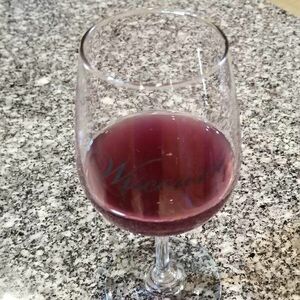
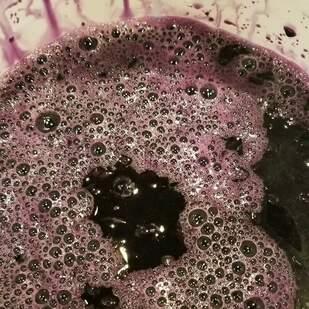
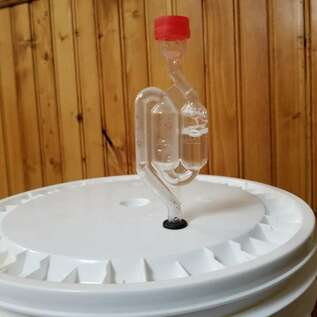
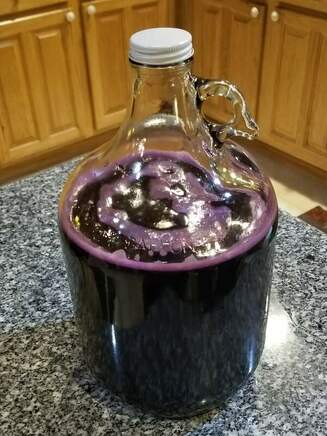
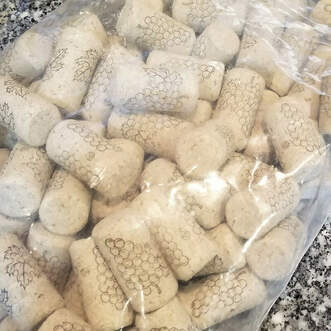
Garden Huckleberry WineAs I mentioned in my previous post, garden huckleberries are a unique berry in the nightshade family. They are toxic when unripe, have little taste when ripe, but when fully ripe AND cooked, they are absolutely delicious and make a beautiful dark purple jam. After making a batch of garden huckleberry preserves, we still had quite a few berries left over in the freezer. Since my husband and I love fermentation we decided to experiment with a one-gallon test batch of garden huckleberry wine. We both have a Bachelor’s degree in biology and I also have a concentration in microbiology so we enjoy the science behind fermented foods and drinks, although neither one of us is an expert. Thus far we have made kombucha, sauerkraut, kimchi, wine and beer from kits, mead, and now garden huckleberry wine. We also currently have a maple wine (which smells absolutely delicious!) undergoing secondary fermentation and will hopefully be the subject of a future blog post. This summer we also would like to experiment with dandelion wine and a spruce-tip beer. We planted wine grapes on our property in the spring of 2017 which will hopefully produce their first grapes this summer (2019) on 3-year-old vines. These grapes, Marquette, are a red grape well suited to our climate (zone 4) however, they can be acidic as short/cool season grapes often have difficulty fully ripening. Therefore, blending is often used to reduce acidity and increase sugar content of these grapes if needed. However, as more growers are cultivating the Marquette variety, they are having success producing a very nice dry red wine or slightly sweet port that is not overly acidic. We are hoping in addition to making 100% Marquette wine we could also find some fruit or other grapes varieties to use for blending. Blackberries or raspberries are commonly used to make a delicious berry-Marquette port. When we realized we had extra garden huckleberries we thought it would be good to practice making wine from scratch rather than a kit and also possibly find a good fruit to blend with the Marquette grapes. In this post, I will assume that the reader already has some experience fermenting. If not, a good place to start is to buy a wine or beer kit, to first determine if you enjoy brewing. Once, you have tried a few kits, read a few books, looked at some websites, and/or listened to some podcasts, it is much easier to experiment with fermenting from scratch. To make our garden huckleberry wine we modified a recipe for blueberry wine (see our modified recipe below). As garden huckleberries must be cooked to bring out their flavor, I first cooked the berries with a little water and crushed them with a potato masher to release the juices. I cooked them for about 20 minutes added 1 tablespoon of lemon juice, cooked an additional 5 minutes, and then added the sugar to the berries and mixed until dissolved. Garden huckleberries are a very tough fruit with an almost leathery skin so in the future I may use an immersion blender to help pulverize the berries rather than just a potato masher. After the sugar was dissolved, we brought the water up to 1 gallon. At this point you can check the specific gravity to make sure the sugar content is correct, generally you want to start wines around 1.090 depending on what you would like your final alcohol concentration to be. When making a fruit wine you would generally add in one Campden tablet/gallon or potassium metabisulfite at the correct concentration to kill any wild yeast on the berries. Since we had just boiled our berries, I assumed most wild yeasts would be killed and skipped this step. We then added the tannin, acid blend, pectic enzyme, and yeast nutrient and mixed well. I am not sure if both the lemon juice and acid blend are necessary and may skip the lemon juice next time. The pectic enzyme will digest the pectin in the fruit which otherwise could make the must gelatinous; also excess pectin will also leave your wine hazy and keep it from clarifying properly. Yeast nutrient is used to help give the yeast a boost, yeast energizer can also be added or you can buy them already mixed together under specific brand names. If fermentation slows before completion you can spike in more nutrient and/or energizer to help push fermentation to completion. Some brewers also like to add in grape juice concentrate to their fruit wines, which increases sugar content so make sure to adjust final sugar levels to the correct specific gravity after mixing this in. This will also make your wine fruitier. As we wished to see what a pure garden huckleberry wine tasted like, we did not add any grape juice concentrate. The last step is to add the yeast. Since we had boiled the berries it was important to make sure the must was not too hot, you generally want it around room temperature. We used Lalvin K1-V1116 yeast which is supposed to be good for fruit wines and also has a high alcohol tolerance (18%). This was also important since we wanted to make sure it would ferment to dryness. We dry pitched the yeast and stirred it in, however, most yeast packets will recommend activating the yeast prior to pitching. If you activate first, make sure you follow the instructions exactly as written, otherwise you may shock the yeast too much which will prevent fermentation from starting. We fermented in a 2-gallon bucket fermenter that we had cleaned with one-step cleanser and sterilized with potassium metabisulfite. Make sure everything that comes in contact with your must is as sterile as possible. After everything was mixed well, we covered the fermenter with a lid containing an airlock to let out the CO2 gas released during fermentation. Generally, you should see bubbling in the airlock within 24-48 hours. With most fruit wines you want to stir the must 1-2 times per day, otherwise the fruit cap will stay on the top and you will have less flavor and color released into the liquid. The more the cap comes in contact with the liquid. the more color, flavor, etc. will be released into the wine. The wine will likely ferment for approximately 2 weeks or even longer depending on the type of yeast used. When bubbling starts to slow you can start testing the specific gravity with your hydrometer and when it reaches 1.010-1.020 you can rack it to a secondary fermenter (a 1 gallon glass carboy/jug) or you can leave it in the primary until it completes fermentation (specific gravity less than 1). Before racking you must strain out the berries and debris and move the wine to a cooler place if possible, to clear. Every week or two, as more debris settles you can rack to a new 1-gallon jug. At this point if fermentation is complete you can cap the jug or use a bung and not worry about the airlock. Make sure fermentation is 100% complete as we have had a batch of mead blow the bung out of the jug when we removed the airlock too soon. You can also add a Campden tablet after each racking or just wait before bottling if you do not like to have too high of sulfite levels in your wine. I do not like to use more than 2 tablets/gallon of wine total. Those who are sensitive to sulfites may wish to try even less or skip it altogether although this does increase the risk of contamination. Once the wine has clarified to your liking you can bottle the wine and age it, generally 3-6 months minimum. If you prefer a sweeter wine you can back sweeten before bottling but you must add in potassium sorbate to prevent fermentation in the bottle. You can also add in potassium sorbate if you wish to age your wine longer and prevent spoilage. We tasted a glass of our wine before bottling and were very impressed by its taste. It was slightly sour (maybe skipping the lemon juice next time would be better), slightly bitter and tannic, with definite flavors of garden huckleberries. Although it started out as a very dark purple color it mellowed to a more red-purple color. If you prefer your wines with more intense flavors you can add more than 3 lbs of fruit and if you prefer them lighter, you can add less. Overall, we liked the initial flavor of the wine well enough that I started dozens of garden huckleberry plants this spring (as opposed to the 6 plants we had last year) so we can hopefully make a larger 3-5 gallon batch next year. Garden Huckleberry Wine Recipe (1 Gallon)3 lbs berries (garden huckleberries, blueberries, or other berries) 1 T lemon juice ~1.8 lbs sugar 0.5 tsp acid blend 0.5 tsp pectic enzyme 0.6 tsp yeast nutrient 0.2 tsp tannin Campden tablets (1 tablet per gallon) 1 package yeast (Lalvin EC-1118, Lalvin 71B-1122, Lalvin K1-V1116, or others) |
Details
AuthorIn 2016, my family and I moved from the New York City area to small town Wisconsin. Our move, this website and blog (and our previous Etsy store) is the result of our desire over the past several years to simplify our lives, increase our quality of life, reconnect with nature, and enjoy a more self-sufficient life. I grew up as a country kid in central Pennsylvania working on my grandfather's fruit farm and as a corn "de-tassler" at a local seed farm. My background is in biology where my love of nature originated. I am a former research scientist and professor and have now transitioned to a part-time stay-at-home mom, self-employed tutor, and small business owner. Thank you for taking the time to check out my site. Archives
February 2026
Categories
All
|


RSS Feed